About In Season
You have already invested in your wardrobe. In Season helps you love it.
In Season began as a simple wish: to open the closet and truly see everything there, to know what suits me, and to feel put together without buying something new.
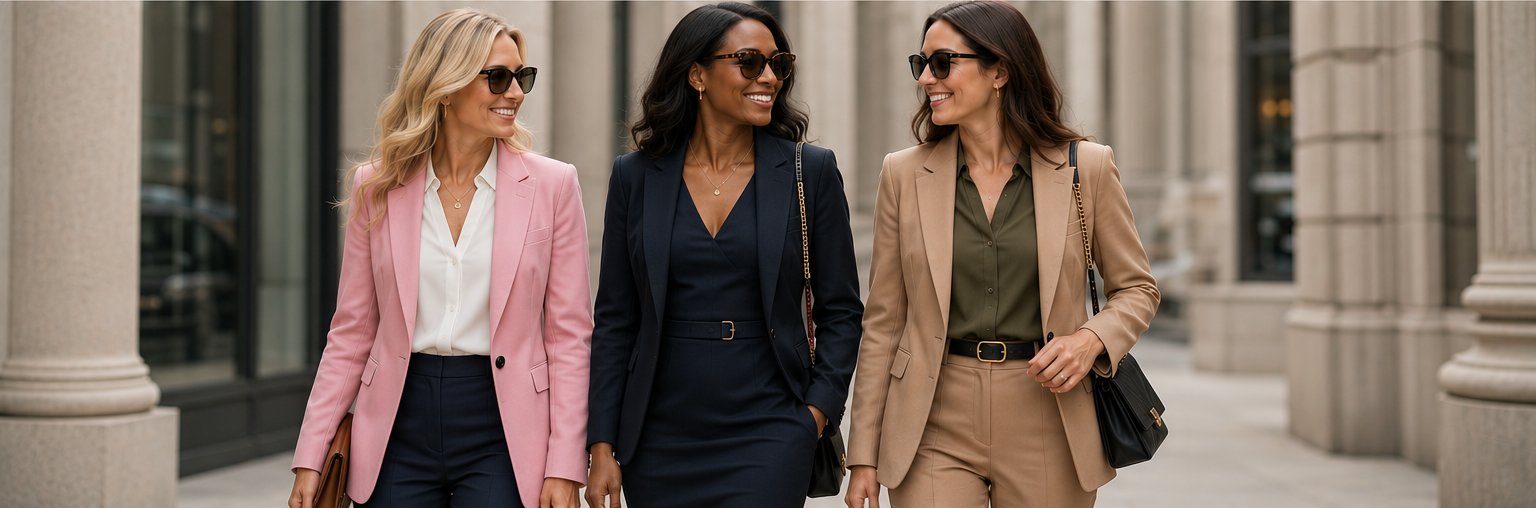 Image coming soon
The investment is already made
Most of us have spent years, and a good deal of money, building a wardrobe. The pieces are already hanging there. What is often missing is not more clothing. It is a way to see it all at once, remember the pieces we love, and put them together with the same ease we feel on the mornings when everything just works.
You know the outfits that make you stand a little taller, the ones where you catch your reflection and think, yes, this is me. That feeling is not an accident, and it does not require a new purchase. In Season is built to help you find it again, on purpose, from what you already own.
Getting dressed should feel like shopping your own closet, and finding exactly what you hoped was there.
Wearing what you own is the quiet luxury
When we lean on what we already have, we spend less, waste less, and get dressed with less stress. It also happens to be far kinder to the planet than the alternative.
The clothing and footwear industry is responsible for an estimated 8 to 10 percent of global greenhouse gas emissions, more than all international flights and maritime shipping combined, according to the UN Environment Programme. And the pace of disposal is hard to picture: the Ellen MacArthur Foundation estimates that the equivalent of one garbage truck of textiles is landfilled or burned every single second.
Part of the reason is that we wear our clothes less and less. Worldwide, the number of times a garment is worn before it is cast off has fallen by about 36 percent in fifteen years. Meanwhile our closets are full: a WRAP study in the UK found that roughly 30 percent of clothing in wardrobes had not been worn in the past year, an estimated 30 billion pounds of clothes sitting unused.
The hopeful part is how much difference simply keeping and wearing what we own can make. WRAP found that extending the active life of a garment by just nine more months can cut its carbon, water, and waste footprints by 20 to 30 percent each. Every piece you rediscover in your own closet is one you did not have to buy.

When it is time to let something go
Even a well-loved wardrobe changes. When a piece no longer fits your life, the kindest thing you can do, for your community and the planet, is keep it out of the landfill.
Fashionable clothes in good condition are worth far more passed on than discarded. Consider donating them to a local thrift or consignment store, where they can find a new home and help support people right in your own community.
Close to home, we love Beautiful Lives, a nonprofit thrift boutique with locations in Fayetteville, Bentonville, and Siloam Springs. Every piece donated and sold there helps support women facing crisis, both in Northwest Arkansas and around the world.
We also admire Dress for Success, an international nonprofit that empowers women to achieve economic independence through professional attire, a network of support, and career development tools. It has helped more than 1.3 million women across 15 countries. A suit you no longer wear could be the one that helps someone walk into an interview with confidence.
A better relationship with your closet
In Season is not about buying more. It is about loving, and genuinely using, what you already own. That turns out to be better for your mornings, your budget, and the world that makes your clothes. Get a little more life out of even one or two pieces you already own, rather than replacing them, and the subscription has already paid for itself. We think that is a wardrobe worth keeping.
Wear what's in season for you
Start your free 15-day trial$8.99/month or $79/year. Cancel anytime before your trial ends, at no charge.
Sources
- UN Environment Programme, "UN Alliance for Sustainable Fashion addresses damage of fast fashion," 2019. Fashion is responsible for an estimated 8 to 10 percent of global greenhouse gas emissions.
- Ellen MacArthur Foundation, "A New Textiles Economy: Redesigning fashion's future," 2017. One garbage truck of textiles landfilled or burned every second; clothing utilisation down about 36 percent over fifteen years.
- WRAP, "Valuing Our Clothes." Around 30 percent of UK wardrobe clothing unworn in the past year (about £30 billion); extending active use by nine months cuts footprints 20 to 30 percent.
- Beautiful Lives Boutique, beautifullivesthrift.org. Nonprofit women's thrift boutique with locations in Fayetteville, Bentonville, and Siloam Springs, Arkansas.
- Dress for Success, dressforsuccess.org. Mission and network figures (more than 1.3 million women, 15 countries).